We investigate the molecular and epigenetic mechanisms by which cancer and cancer therapies damage the heart.
Molecular mechanism of anthracycline-induced cardiotoxicity
Building on our work on histone deacetylases (HDAC), we study the epigenetic consequences of cancer and cancer therapies on the heart. We are particularly interested in the cardiac epigenetic changes caused by anthracyclines and their consequences in different preclinical cancer models. Funded by the German Research Foundation (DFG).
Epigenetic memory under metabolic stress
Our preliminary work shows that epigenetic changes do not directly cause transcriptional changes, but increase susceptibility to cardiac stress signals. We have identified a genomic region that is strongly epigenetically remodeled under metabolic stress, and use genetic deletion to study its impact on biological function. Funded by the German Research Foundation (DFG).
Cardiac inflammasome in ICI-associated myocarditis
Through systematic analysis of the human cardiac transcriptome we identified genes of the cardiac inflammasome that are strongly dysregulated in patients with myocarditis (Finke et al., Cancers 2021). We are currently generating conditional preclinical models to study protective strategies against this cardiac inflammation. Currently funded by a Translational Research Project of the DZHK.
Metabolic signaling of cardiac nuclear receptors
We identified nuclear receptors as key regulators of cardiac metabolism. We are currently investigating their molecular signaling pathways (binding partners, gene regulation) and the metabolic signal transduction to the cardiac epigenome – building on mechanistic work on adrenergic beta signaling. This project is funded by the German Heart Foundation.
Hector project: immunotherapy and the heart
As part of Atheric-care, we investigate together with partners at the DKFZ, the MDC and the Kiel University Hospital how cancer immunotherapies affect the heart. Funded by the Hector Foundation (press release).
The clinical backbonde is the cardio-oncology section at Heidelberg University Hospital – from diagnostics and imaging to standards of care.
Immune checkpoint inhibitor (ICI)-associated myocarditis
We investigate predictive factors of ICI-associated myocarditis. Together with UCSF (San Francisco), Hôpital Salpêtrière (Paris) and international partners, we establish standardized procedures for diagnosis (Finke et al. Front Cardiovasc Med 2021; Cancers 2021; Lehmann et al. JAMA Cardiol 2021; Circulation 2023).
Advanced imaging in cardio-oncology
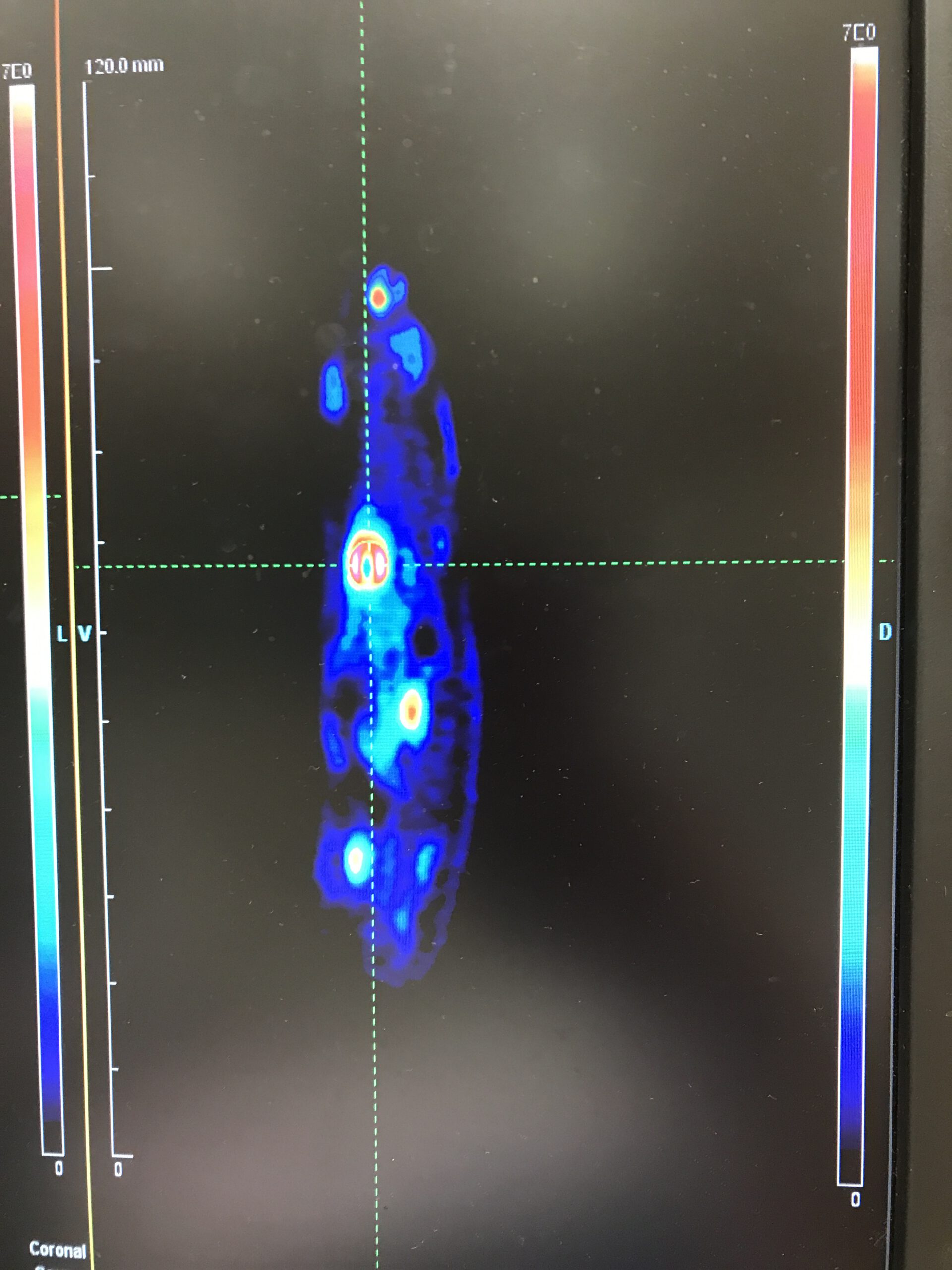
In collaboration with the Department of Nuclear Medicine at UKHD we study established and novel tracers: activation of cardiac fibroblasts (FAPI-PET) and metabolic imaging with 18F-FDG. In addition, we evaluate the early use of cardiac MRI (cMRI) for individualized risk assessment (Heckmann et al. Circ Cardiovasc Imaging 2020).
Cardiac biomarkers – the HEartCORE registry
Based on our HEidelberg Cardio-Oncology REgistry (HEartCORE), we investigate high-sensitivity troponin (hs-cTnT) to identify high-risk patients and run prospective studies on biomarker-based surveillance strategies (Lehmann et al. Clin Res Cardiol 2021; Circulation 2023).
Standardized workflows & network
Together with national and international partners we establish standardized workflows for monitoring oncology patients under potentially cardiotoxic therapy, and we are building a Germany-wide network of cardio-oncology units (DGK AG40; Rassaf et al. Clin Res Cardiol 2020; Lehmann et al. JAMA Cardiol 2021). One example is cardiovascular monitoring during CAR-T cell therapy (Korell et al. 2024; Köckerling et al. 2024).
Clinical research contacts: Daniel Finke, Jannek Brauer, Melis Onay, Christoph Matthias
Preclinical models
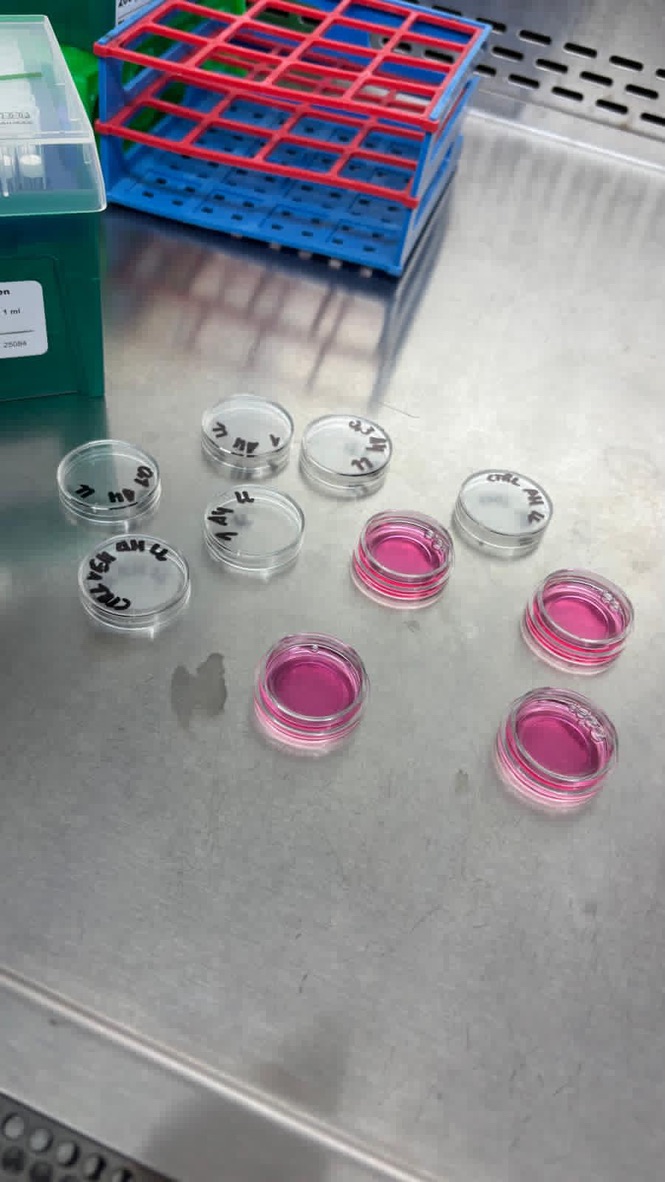
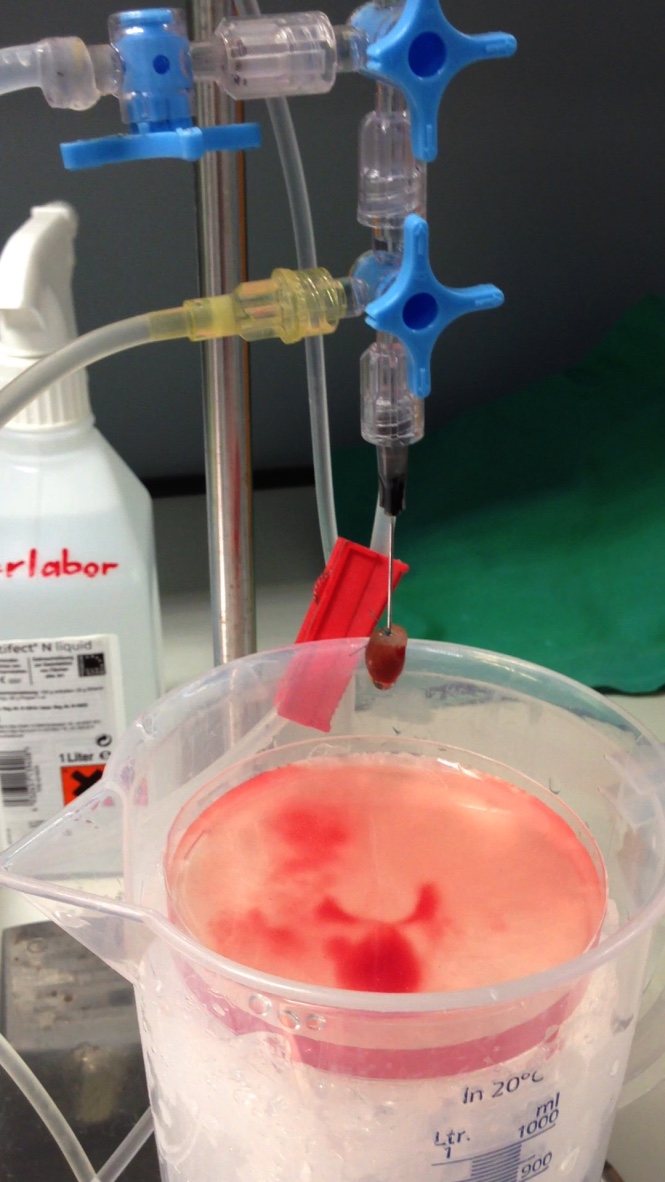
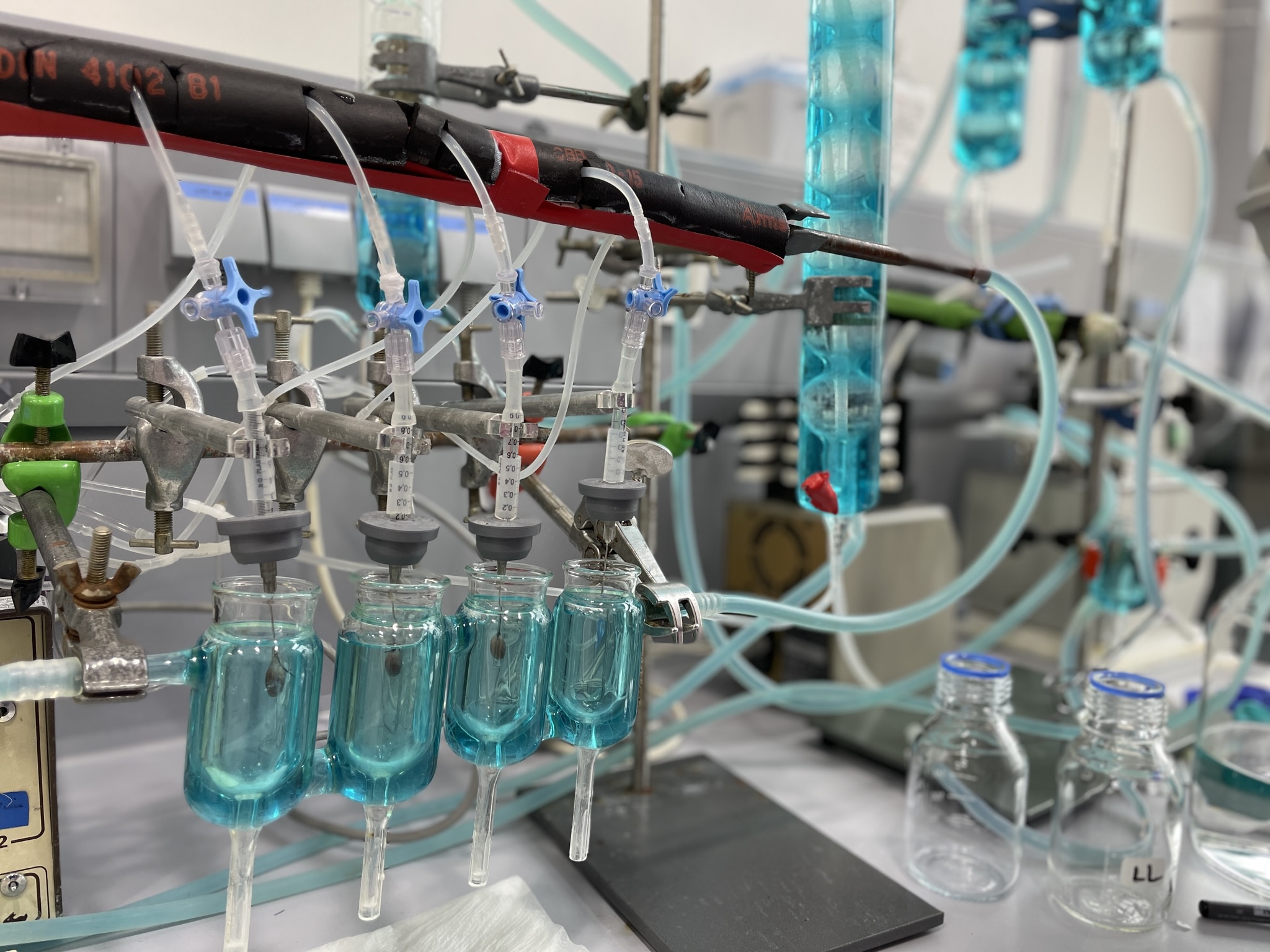
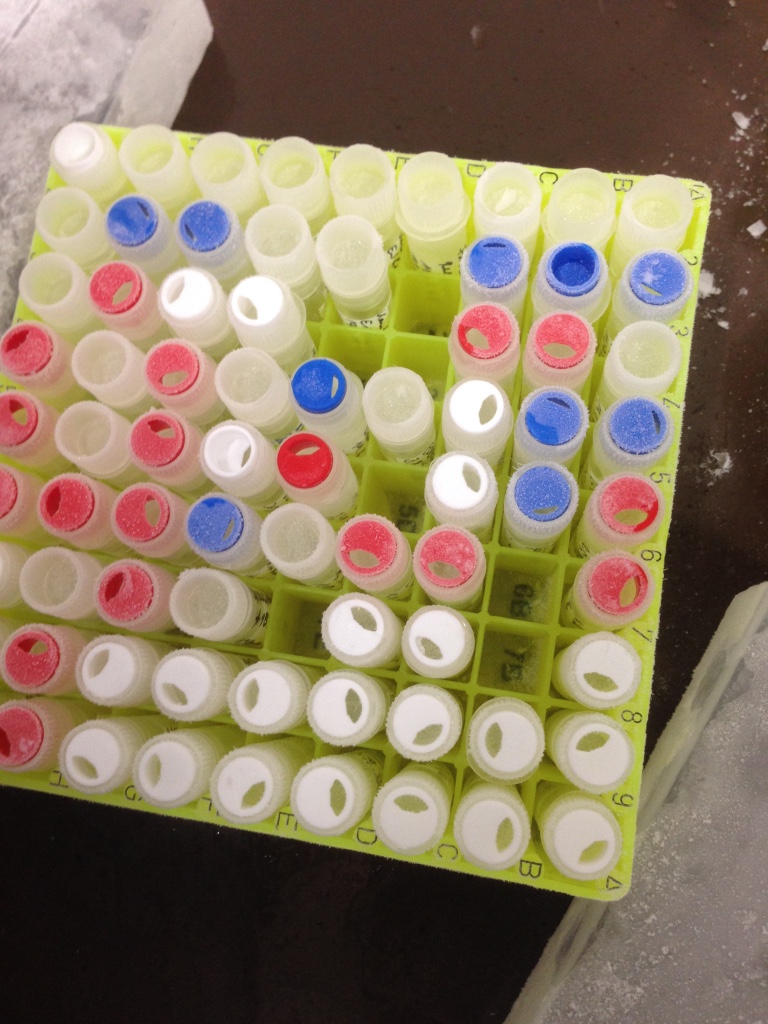
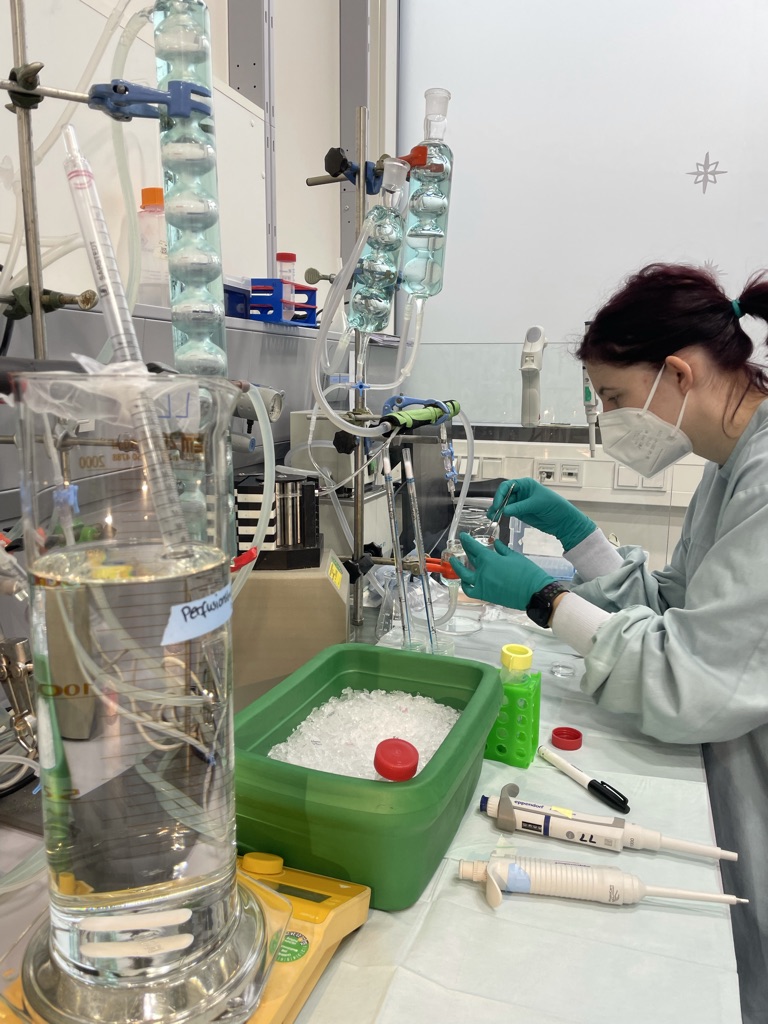
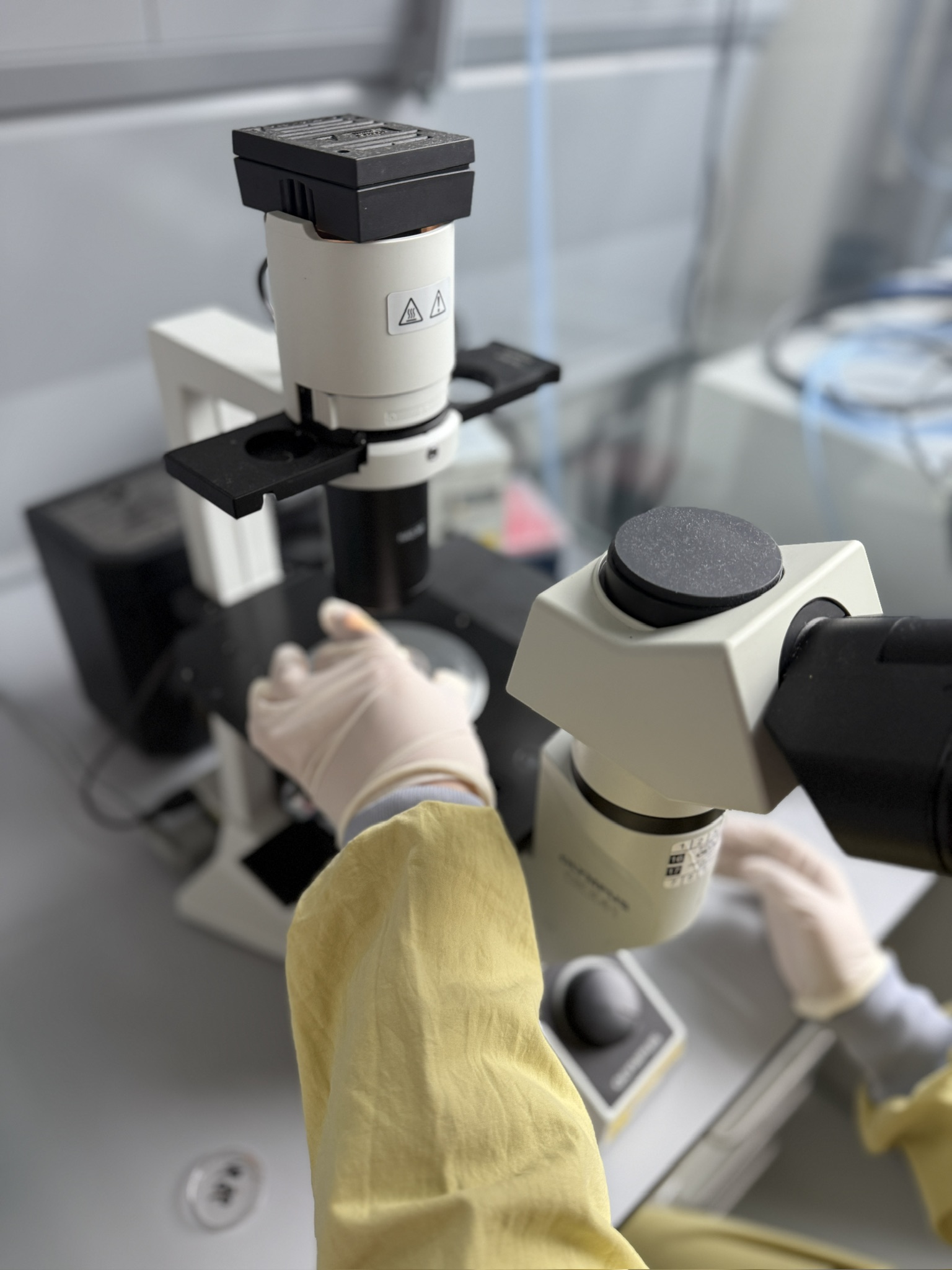
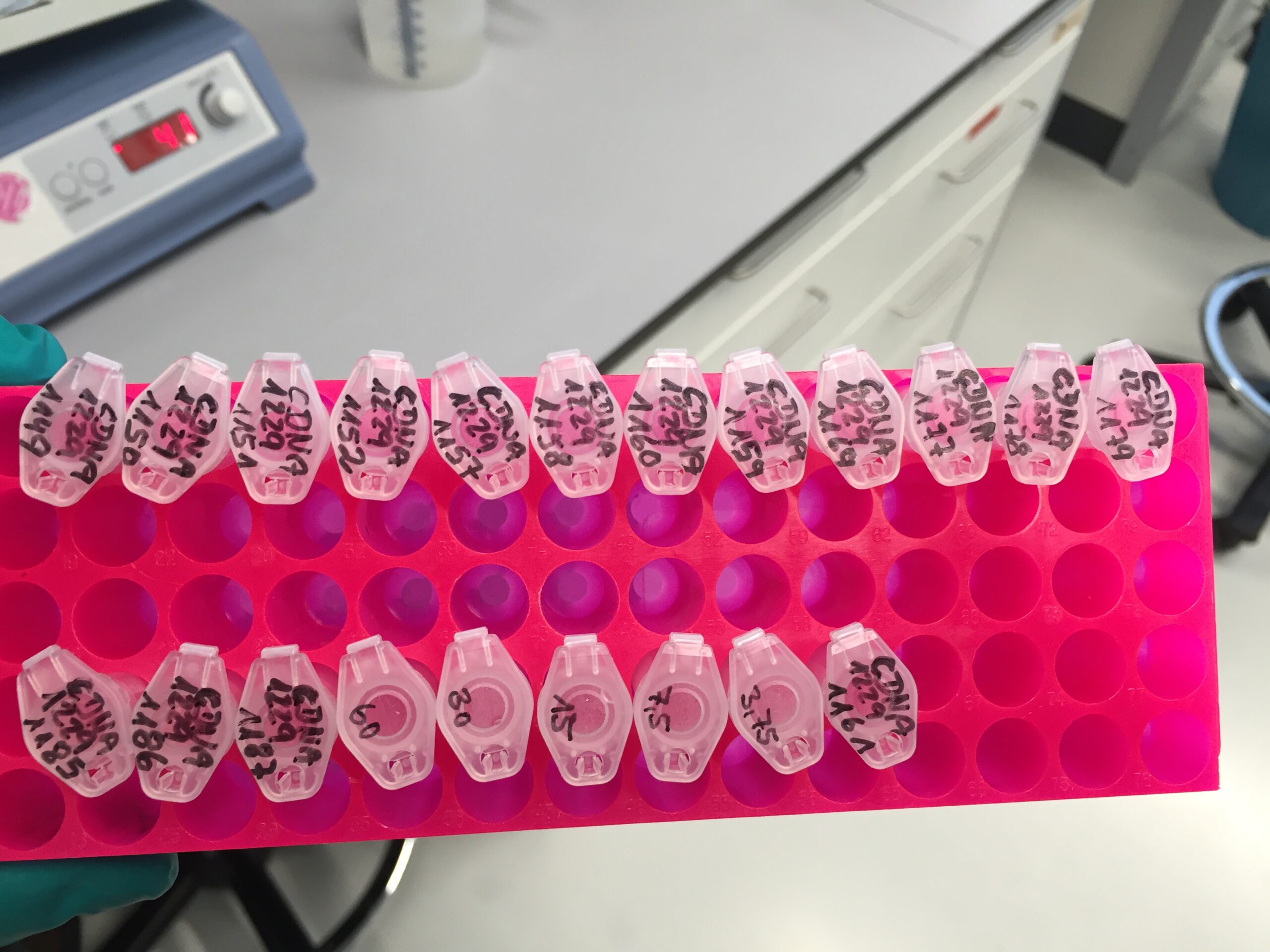
Conditional mouse models, primary cardiomyocytes and cancer models to study cardiotoxicity.
Multiomics & epigenetics
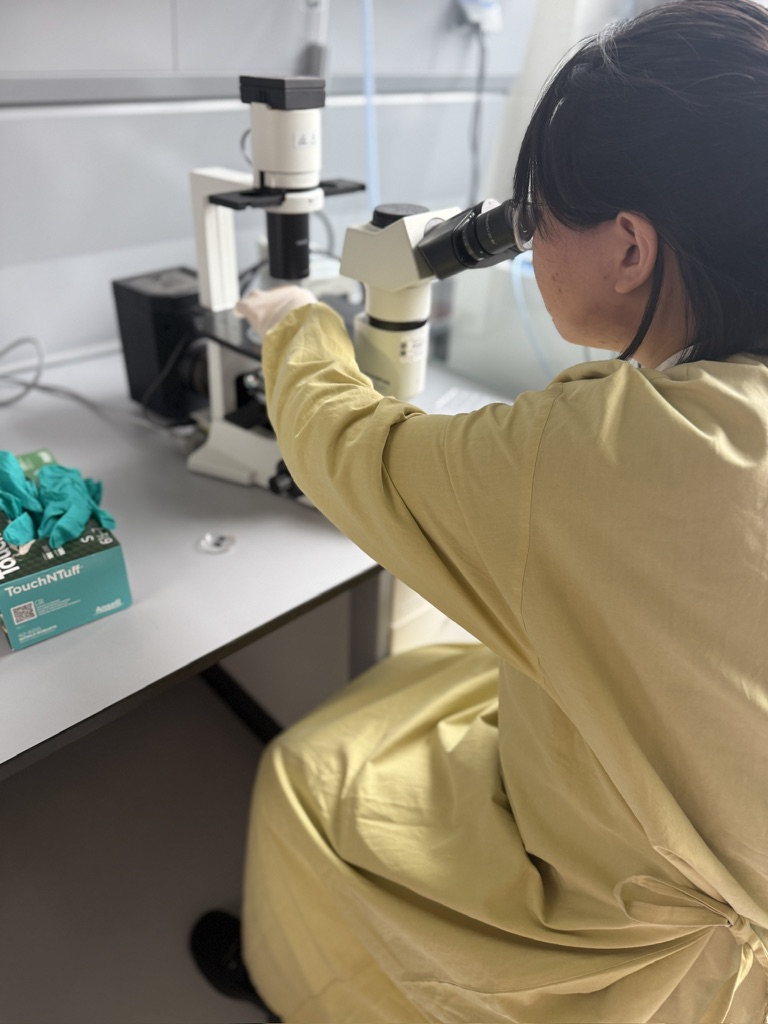
Transcriptomics, epigenetic profiling and CRISPR-Cas9-based approaches.
Imaging & registry
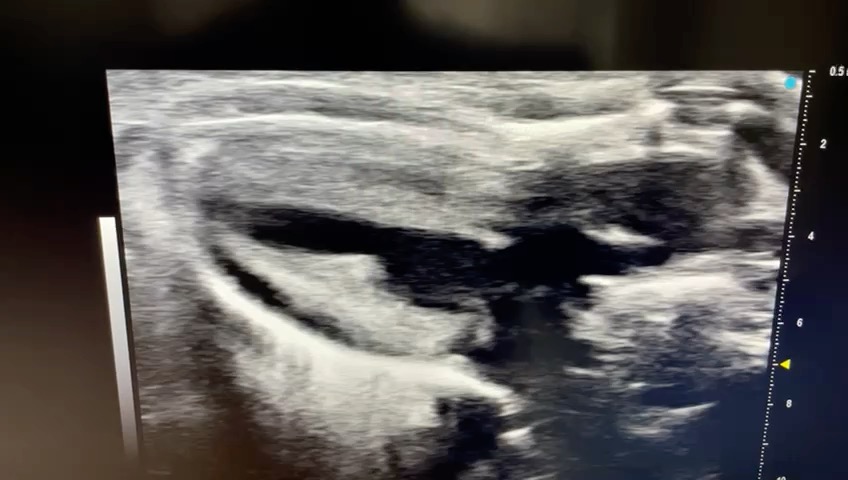
FAPI-PET, cardiac MRI and the HEartCORE registry as a translational bridge to the clinic.